The Axe and the Blossom: Coaxing Life from a Barren Tree
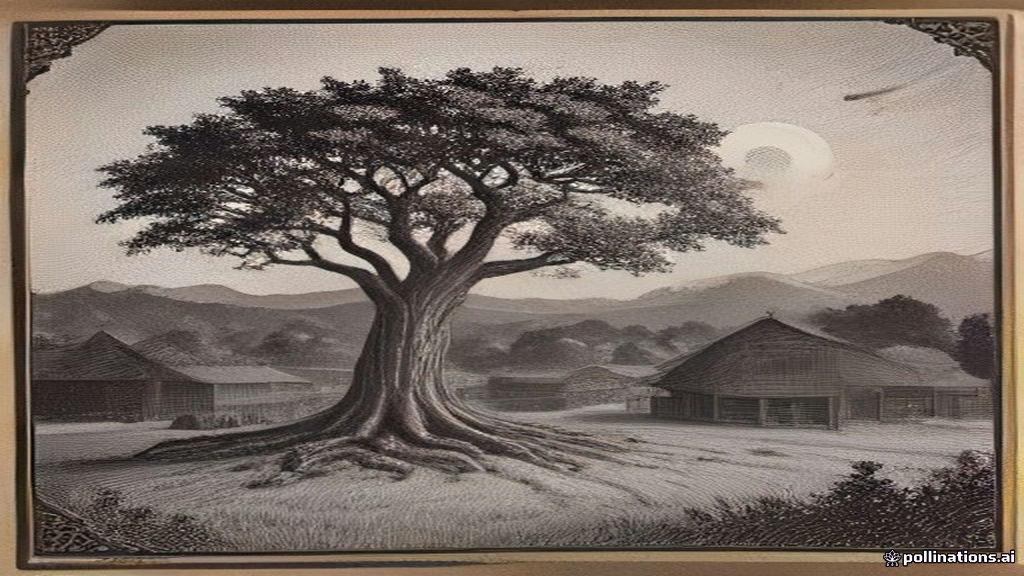


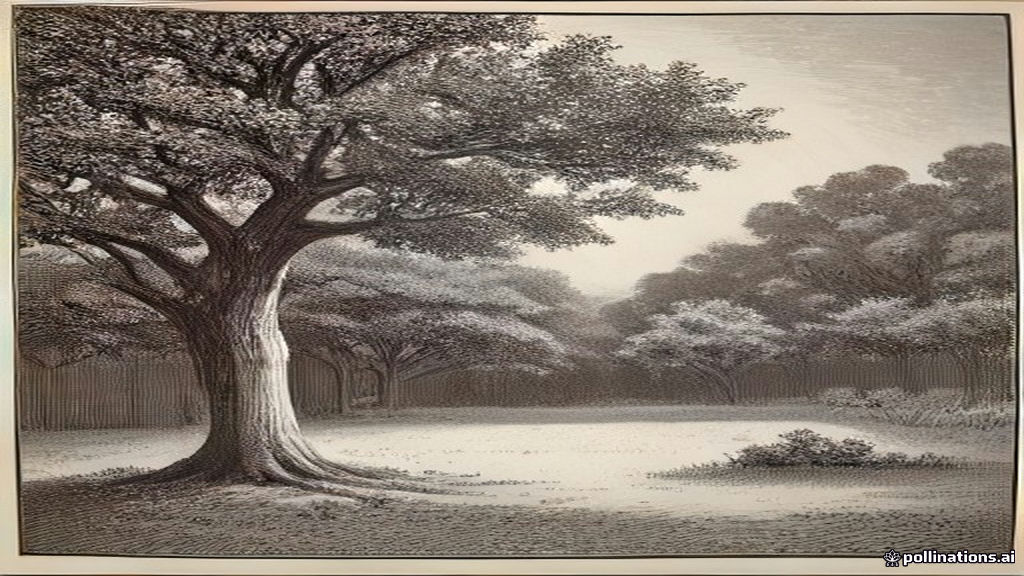
Venture into the verdant heartlands of India, and you'll discover a fascinating tapestry of beliefs that intertwine the everyday with the mystical. Among these, a particularly intriguing superstition involves the silent giants of our orchards: the fruit trees. What happens when a tree, year after year, stands barren, refusing to yield its sweet bounty?
The Silent Plea to the Tree Spirit
It’s a farmer’s despair to see a healthy tree withhold its fruit. But in some corners of India, despair gives way to an ancient, almost theatrical ritual. When a fruit tree, be it mango, guava, or jackfruit, stubbornly refuses to flower or bear fruit, a curious practice is sometimes employed: the tree is ‘threatened’ with an axe.
No, the axe isn't meant to cut or wound the tree. Instead, a farmer, often an elder or a woman, will approach the barren tree with an axe in hand. They might raise the axe as if to strike, perhaps even tap the trunk lightly, all while speaking to the tree. The words might be a gentle reprimand, a stern warning, or a coaxing promise, urging the tree to fulfill its natural purpose and produce fruit.
Roots in Animism and Sympathetic Magic
This peculiar Tona Totka is deeply rooted in ancient animistic beliefs, where every living thing, including trees, is believed to possess a soul or a spirit. The act of threatening the tree with an axe is a form of 'sympathetic magic' – the belief that by mimicking an action, you can influence the desired outcome. The 'threat' is believed to shock the tree spirit into action, awakening its dormant fertility.
- A Desperate Measure: For subsistence farmers, a barren tree represents a loss of livelihood. This ritual is a last resort, a symbolic gesture of human will attempting to bend nature to its needs.
- Respectful Persuasion: Despite the 'threat', the ritual is often performed with a deep underlying respect for the tree as a living entity, appealing to its inherent generosity.
- Community Wisdom: Passed down through generations, such practices are a testament to communities' ingenuity and their close relationship with the natural world, even when logic might falter.
A Blossom of Hope
Whether it’s the psychological effect on the farmer, renewed efforts in tree care after the ritual, or simply a cyclical return to natural fertility, many attest to the tree bearing fruit the following season. It serves as a beautiful, albeit unusual, reminder of the profound human connection to the land and the mystical ways we seek to influence our fortunes, even from the silent, leafy giants that grace our landscapes.