The Left Hand's Taboo: Why It Never Offers or Receives

%20subtly%20recoiling%20or%20being%20gently%20corrected%2C%20illustrating%20the%20taboo%20of%20using%20the%20left%20hand%20for%20offering.%20Shallow%20depth%20of%20field.%2C%20hand-drawn%20vintage%20ink%20sketch%2C%20woodcut%20illustration%2C%20alchemical%20style%2C%20esoteric%2C%20highly%20detailed%2C%20muted%20sepia%20and%20gold%20tones?width=1920&height=1080&model=flux&nologo=true&seed=32264527)

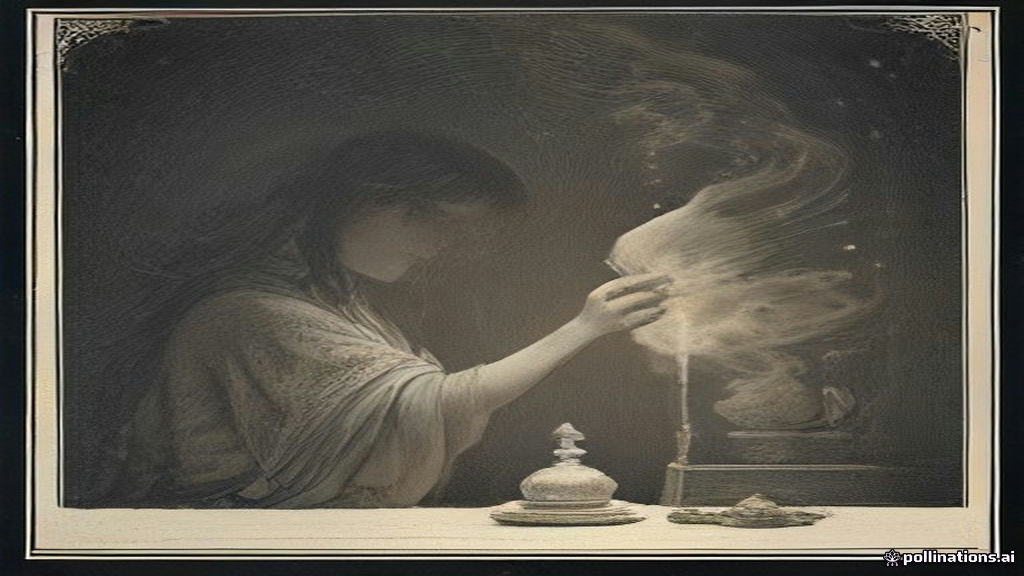
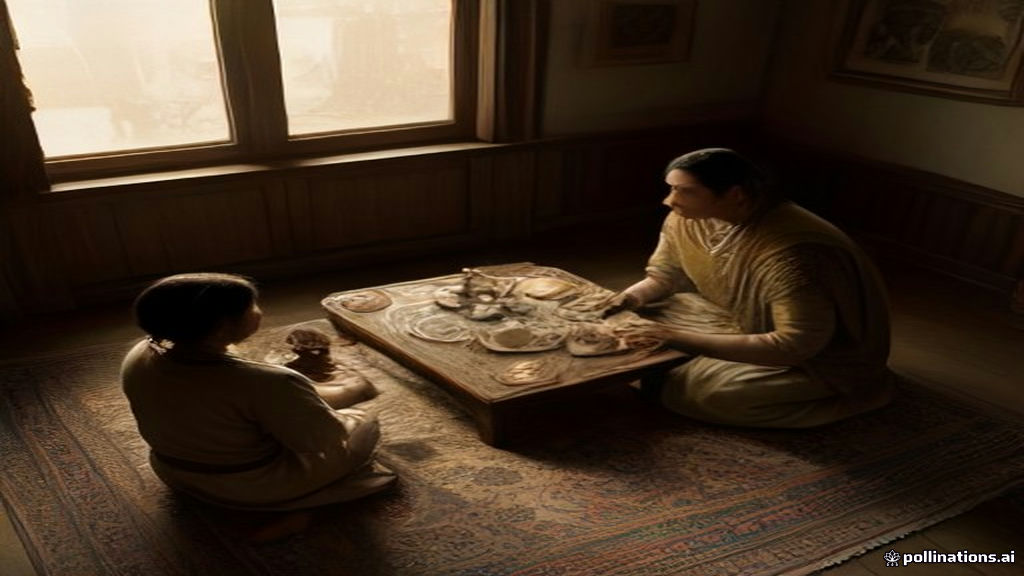
Venture into any traditional Indian home or community, and you'll quickly notice a subtle yet profound custom: the near-exclusive use of the right hand for offering, receiving, and especially, for interactions involving food or sacred items. The left hand, while perfectly capable, is often kept out of sight or reserved for more mundane, and historically, less 'pure' tasks. This isn't just an arbitrary rule; it's a deep-seated superstition, a cultural etiquette, and a reflection of ancient beliefs about purity and auspiciousness.
The Sacred and the Mundane: A Hand's Dual Role
At its heart, the superstition around the left hand stems from its traditional association with personal hygiene and cleansing, particularly after using the toilet. In a society where water, not paper, is the primary means of personal ablution, the left hand was historically designated for these tasks. Consequently, it became culturally marked as 'ashuddh' or impure. To offer food, money, or anything of value with the hand associated with impurity would be seen as a grave insult, potentially inviting bad luck or disrespect.
Echoes of Ancient Purity: Beyond Hygiene
While the hygienic rationale provides a practical origin, the taboo evolved into a spiritual and social custom. The right hand, conversely, became symbolic of purity, generosity, and auspiciousness. It's the hand that performs sacred rituals, gives blessings, and touches holy objects. The distinction reinforces a broader cultural emphasis on purity (shuddhi) in all aspects of life, from food preparation to social interactions. Breaking this norm, even inadvertently, can be perceived as:
- Disrespect: Especially towards elders, deities, or guests.
- Inviting Misfortune: For the giver and receiver, particularly when exchanging money or food.
- A Lack of Etiquette: Indicating ignorance of fundamental cultural norms.
Navigating Daily Interactions
This subtle rule governs countless daily interactions:
- When eating with hands, only the right hand touches the food.
- When passing items at a meal, always use your right hand.
- When accepting or giving money, ensure it's with your right hand.
- At temples, offerings are always made with the right hand.
Even today, across diverse regions of India, the understanding of this left-hand taboo persists. While modern life may blur some lines, the reverence for the right hand, and the subtle exclusion of the left in certain contexts, remains a fascinating testament to India's enduring cultural beliefs. It’s a silent language of respect, purity, and the unwritten rules that guide a vibrant civilization.