The Hushing of the Sun: Why Clapping During an Eclipse is Forbidden
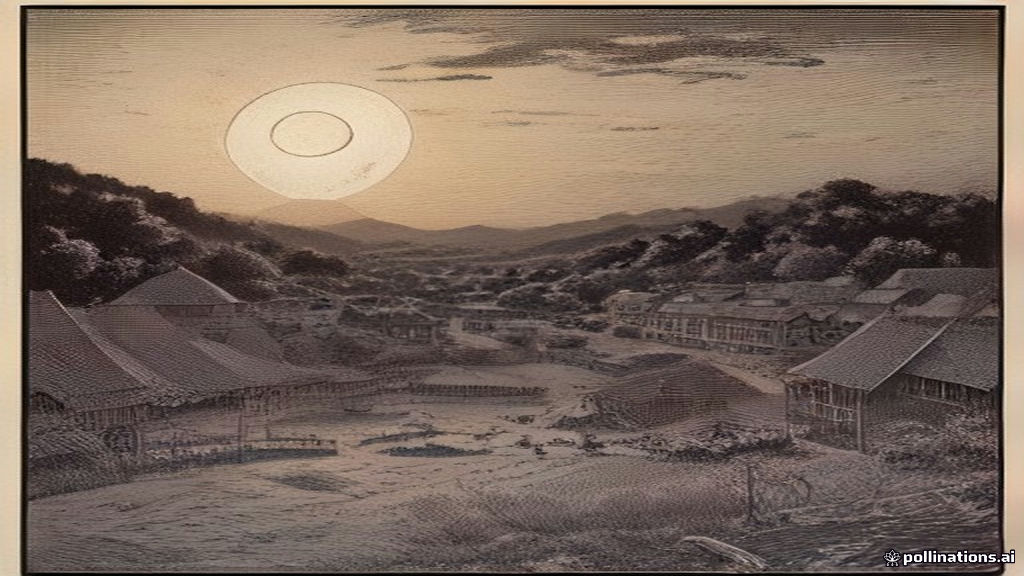


As the moon's shadow kisses the sun, a hush falls over the land. In India, a solar or lunar eclipse, known as 'Grahan,' is more than an astronomical spectacle; it's a moment steeped in profound spiritual beliefs and ancient warnings. One lesser-known, yet deeply ingrained, superstition advises against a seemingly harmless act: clapping during an eclipse.
The Celestial Devourers: Rahu and Ketu
At the heart of this belief lies the mythological tale of Rahu and Ketu, the shadow planets. In Vedic astrology, an eclipse occurs when these celestial nodes 'swallow' the sun or moon, plunging the world into a temporary darkness. This period is considered highly inauspicious, a time when divine energies are compromised, and negative forces are believed to be more potent.
During a Grahan, the sun or moon is seen as being in distress, vulnerable to the shadowy grip of Rahu or Ketu. The traditional silence observed during an eclipse isn't merely for quiet contemplation; it’s a deliberate effort to avoid disturbing the struggling celestial body.
Why the Forbidden Clap?
The superstition against clapping stems from the belief that loud, sudden noises can further agitate the already turbulent cosmic energies during an eclipse. Some believe that clapping might:
- Disturb the Devas: During an eclipse, the devas (deities) are believed to be in a state of penance or vulnerability. Loud noises could disrupt their efforts to free the sun or moon.
- Attract Negative Entities: The darkened, inauspicious environment is thought to attract malevolent spirits. Clapping, a sudden burst of energy, might inadvertently draw their attention or even empower them.
- Hinder Cosmic Renewal: By maintaining silence, devotees hope to aid the celestial body in its struggle, allowing it to regenerate its light and energy peacefully. Clapping, conversely, could be seen as an act that disturbs this crucial process of renewal.
Thus, during an eclipse, homes become quiet sanctuaries. Windows are often covered, food is avoided, and rituals are observed in a subdued manner. The absence of applause is not a lack of appreciation for the cosmic dance, but a profound reverence for its vulnerability, a silent prayer for the sun's swift return to glory.
So, the next time the sky darkens during an eclipse, remember the quiet wisdom of our ancestors. Their silence isn't fear, but a deep, empathetic connection to the cosmic drama unfolding above, a quiet plea for light amidst the temporary shadow.