The Bitter Spice: Unraveling the Omen of Tears in the Kitchen



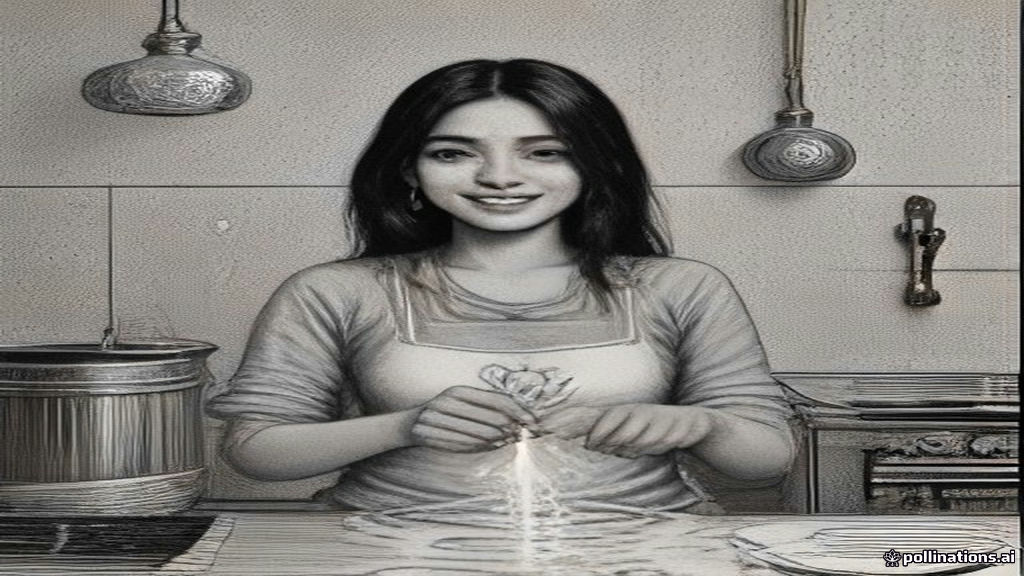
Step into any Indian kitchen, and you’ll find it’s more than just a place to prepare meals. It’s a sacred space, a hearth where love, tradition, and a dash of ancient beliefs simmer together. Among the myriad unwritten rules that govern this vibrant domain, one particular superstition stands out, whispering caution to those who wield the knife and ladle: the omen of tears while cooking.
The Tear-Stained Meal: A Recipe for Sorrow?
Picture this: a bustling kitchen, the scent of tempering spices filling the air, and a cook diligently chopping onions. Suddenly, tears well up, not just from the pungent fumes, but perhaps from a hidden worry or a fleeting sadness. In many Indian households, this isn't merely an inconvenience; it's seen as an inauspicious sign. Folkloric wisdom warns that a cook’s emotional tears, particularly those born of sorrow or anxiety, can infuse the very essence of the food. It’s believed that such a meal, imbued with the chef’s distress, might invite misfortune, sadness, or discord into the lives of those who consume it.
Beyond the Onion's Sting: The Emotional Brew
While the onion is a notorious tear-jerker, the superstition often distinguishes between the physical irritation and genuine emotional shedding. The latter is what sparks concern. Food, in Indian culture, is considered prasad – a blessed offering, a carrier of energy and intentions. If prepared with a heavy heart, or with tears of despair falling into the pot, it’s thought to carry that negative energy forward. Some even believe that the taste of the food itself will be altered, becoming bitter, bland, or simply "off," reflecting the cook's inner turmoil.
Preserving the Hearth's Sanctity
This belief underscores the profound connection between the cook's state of mind and the well-being of the family. The kitchen is where nourishment is created, and the act of cooking is akin to an offering. Therefore, a calm, happy, and positive disposition is considered paramount. Many elderly family members might gently advise a tearful cook to take a break, wash their face, and return to the kitchen only when their heart is light. It’s not just about hygiene; it’s about preserving the sanctity of the food and, by extension, the peace and harmony of the home. So, the next time you step into your kitchen, remember the silent whispers of the hearth: let only joy and love be the secret ingredients in your cooking, ensuring every meal is a blessing, not a burden.