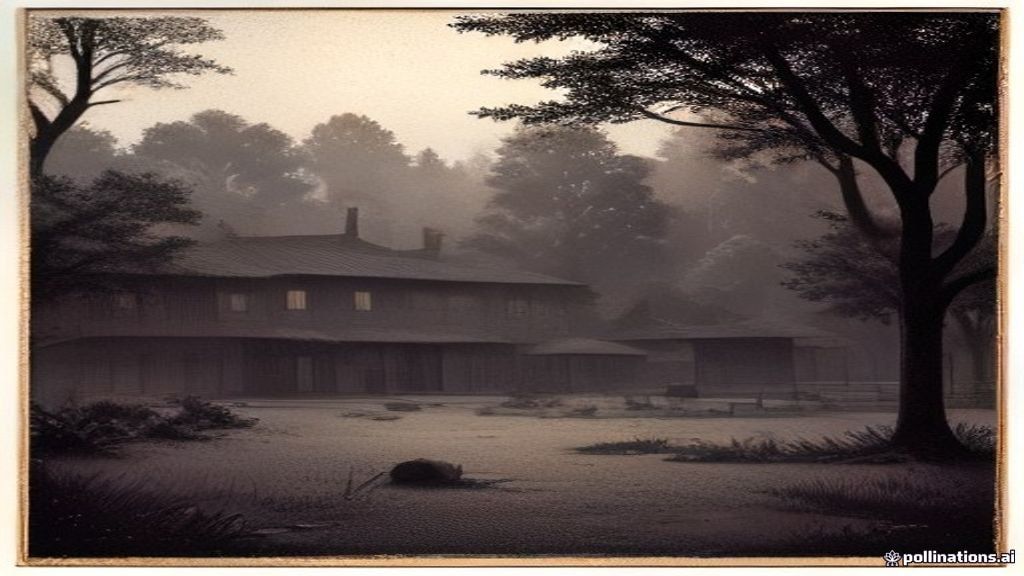
The Shadow's Supper: Why Eating in Darkness Invites Misfortune


%20sitting%20together%20on%20the%20floor%2C%20happily%20sharing%20a%20meal%20in%20a%20brightly%20lit%2C%20warm%20and%20inviting%20dining%20space.%20Several%20diyas%20and%20an%20overhead%20lamp%20cast%20a%20golden%20glow%2C%20reflecting%20peace%20and%20abundance%20after%20a%20well-lit%20meal.%2C%20hand-drawn%20vintage%20ink%20sketch%2C%20woodcut%20illustration%2C%20alchemical%20style%2C%20esoteric%2C%20highly%20detailed%2C%20muted%20sepia%20and%20gold%20tones?width=1920&height=1080&model=flux&nologo=true&seed=987954076)
In the heart of every Indian home, the kitchen and dining area are more than just functional spaces; they are sanctuaries of nourishment and tradition. Every meal is a blessing, a ritual passed down through generations. But amidst the aromatic spices and shared laughter, there’s a quiet warning, a superstition that advises against a seemingly harmless act: eating in darkness.
The Unseen Meal
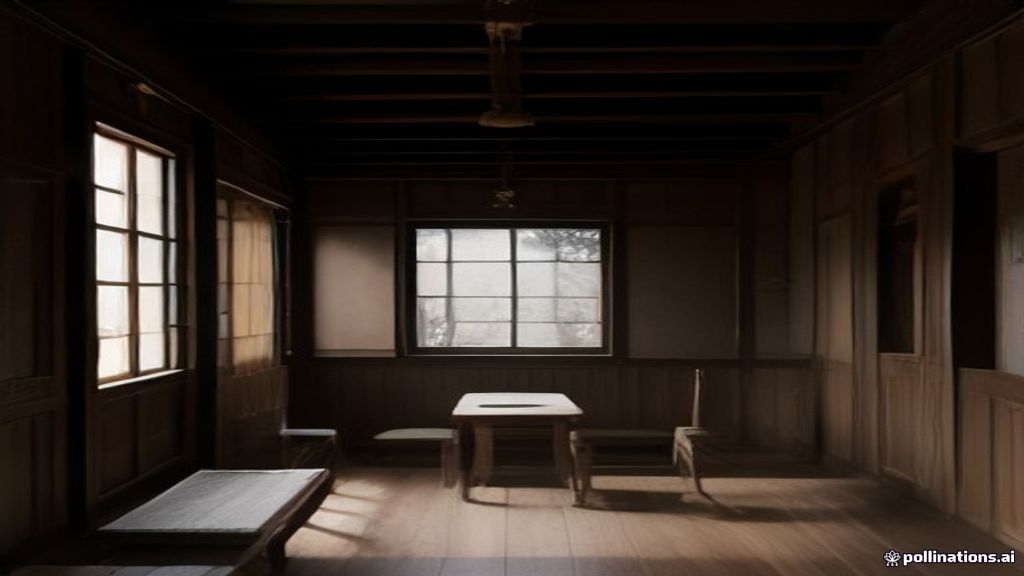
Imagine the scene: the day draws to a close, and hunger beckons. Instead of illuminating the dining space, one chooses to eat by the faint light of a distant streetlamp or in complete dimness. Indian folklore, however, frowns upon this. It's believed that partaking in a meal without proper light invites 'daridrata' – poverty and misfortune – into the home. It’s not just about the lack of visibility; it’s about inviting unseen negative energies and spiritual entities to share your meal, potentially draining your prosperity and peace.
Roots in Reverence
Why this specific fear? The roots of this belief twine back to a deep reverence for food itself. In Hinduism, food is personified as Goddess Annapurna, the deity of nourishment. Eating in darkness is perceived as an act of disrespect towards her. It suggests a lack of gratitude or care for the sustenance she provides. A brightly lit space signifies honor, abundance, and clarity, while darkness can be seen as an affront, a casual disregard that might invoke the goddess's displeasure.
Beyond the divine, there are practical echoes from ancient times. Before electricity, meals were consumed under the warm glow of oil lamps or diyas. Eating in pitch darkness could mean not seeing what you were consuming, potentially ingesting spoiled food or even insects. This practical caution, over time, could have intertwined with spiritual warnings, becoming a potent superstition.
More Than Just Light
For many, lighting up the dining area is not just about avoiding bad luck; it’s about fostering a positive environment. It encourages mindful eating, allows families to connect, and creates a sense of joy and warmth. The superstition reminds us that food is sacred, and the act of eating is a communion, not something to be done hidden in the shadows.
So, the next time you sit down for a meal, consider flicking on that light. It might just be the simplest way to honor tradition, invite prosperity, and keep the shadows of misfortune at bay.