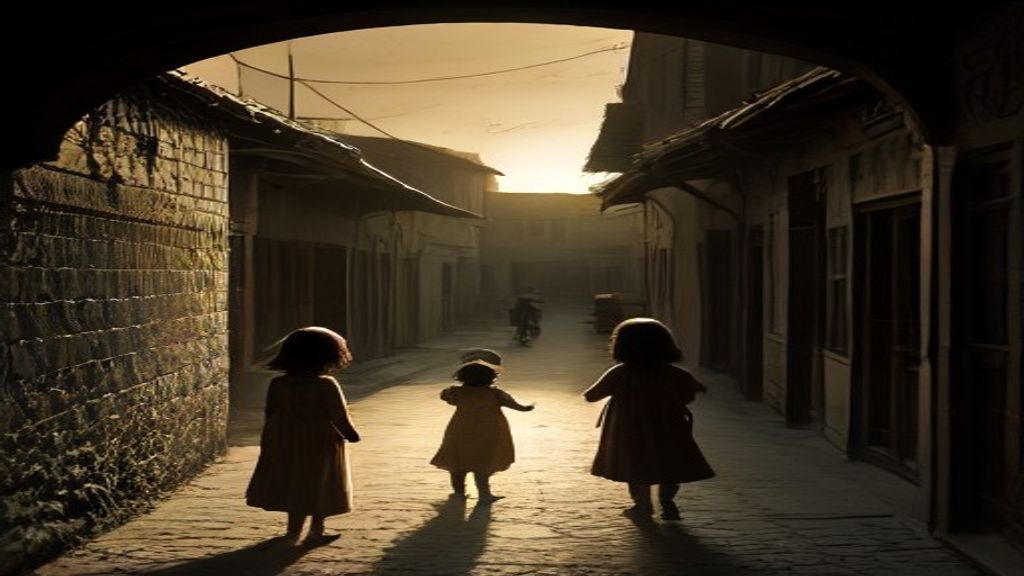
The Forbidden Arch: Why Stepping Over Invites Ill Fortune in India


The Unseen Barrier: Why We Never Step Over in India
In the rich tapestry of Indian culture, where every gesture holds meaning and every tradition is steeped in history, certain acts are deemed not just impolite but deeply inauspicious. One such profound taboo is the act of stepping over another person. Whether they are seated, sleeping, or simply resting on the floor, traversing their body is considered a grave transgression, believed to invite a host of misfortunes and negative energies.
This ancient superstition, known as ‘langhna’ in some dialects, is deeply embedded in the psyche of millions. It’s not merely a matter of etiquette; it touches upon the very essence of respect for the human form and the subtle energy fields believed to surround each individual.
The Roots of the Belief: Disrespect and Energy Transfer
At its core, the prohibition against stepping over someone stems from a deep-seated respect for elders and for all human beings. In a society that places immense value on humility and deference, physically towering over or crossing another's body is seen as an act of profound disrespect, an assertion of dominance that borders on arrogance. This is especially true when it involves children stepping over parents, or younger individuals crossing elders.
Beyond mere manners, a mystical element underpins this belief:
- Stunted Growth: A common belief, particularly when stepping over a child, is that it can physically impede their growth, causing them to remain short or stunted. This is a powerful, visual metaphor for hindering one's progress in life.
- Transfer of Negative Energy: Many believe that stepping over a person can transfer negative energies, ailments, or even bad luck from the one stepping to the one being stepped over. Conversely, it might also mean the stepper absorbs the dormant ill-fortune of the person on the ground.
- Loss of Sanctity: In a culture that venerates the body as a temple, particularly the head, any act that disrespects this sanctity is considered polluting or harmful.
Treading with Reverence: A Lesson in Cultural Sensitivity
This superstition isn't just about avoiding bad luck; it's a constant reminder of the interconnectedness of individuals within a community. It teaches mindfulness, encouraging us to be aware of our surroundings and the people in them. Instead of crossing over, one is expected to walk around, even if it means taking a slightly longer path, demonstrating respect and care.
So, the next time you find yourself in an Indian household, remember the unspoken rule of the forbidden arch. It's a small act with big implications, a subtle dance of respect that weaves into the intricate fabric of Indian life, reminding us that sometimes, the greatest blessings come from the paths we choose not to take.