The Twilight's Tune: Why Whistling After Dark Invites Misfortune
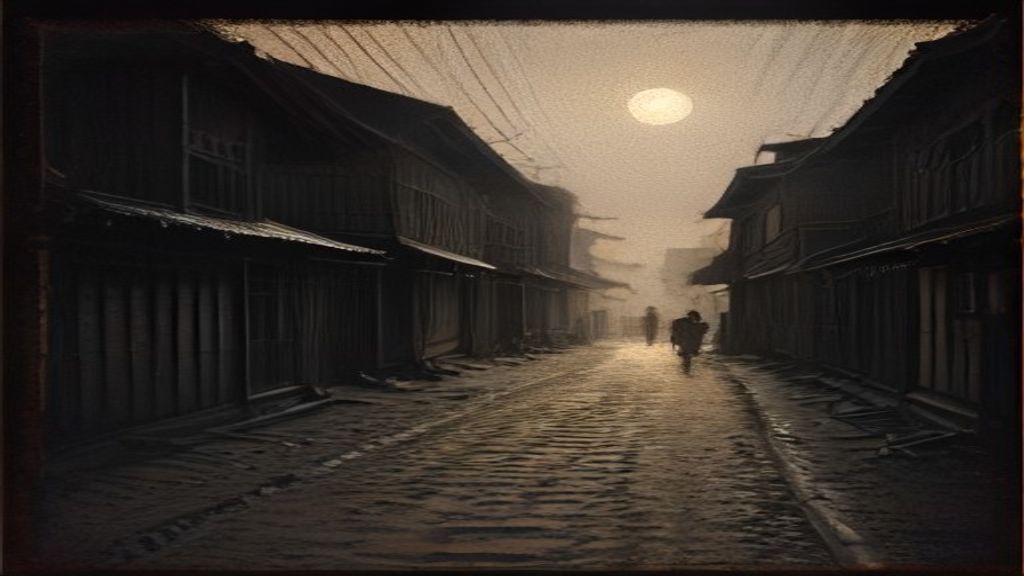


The Whispers of the Night: An Innocent Tune, a Profound Warning
In the vibrant tapestry of Indian superstitions, where every gesture and sound holds a potential omen, there’s a peculiar belief that often leaves newcomers perplexed: the prohibition against whistling after sunset. What seems like a harmless expression of joy or boredom in the daylight transforms into an act fraught with peril once twilight descends.
The Melodies of Misfortune
Many Indian households, particularly in more traditional settings, will quickly admonish anyone who dares to whistle once the sun dips below the horizon. The reasons behind this seemingly innocuous ban are deeply rooted in folklore and an inherent respect for the sanctity of the night.
- Inviting Spirits: The most prevalent belief is that whistling at night acts as a siren call for negative energies, ghosts, or malevolent spirits. The shrill, piercing sound is thought to disturb the veil between worlds, drawing unwelcome entities into the domestic sphere or the quiet streets.
- Driving Away Lakshmi: In some traditions, whistling is considered a frivolous, even disrespectful, noise after dark. The goddess Lakshmi, who symbolizes wealth and prosperity, is believed to dislike such sounds, and whistling at night is feared to drive her blessings away from the home.
- Calling Snakes: A more grounded, yet equally feared, superstition suggests that whistling can attract snakes. This belief likely stems from the sound mimicking certain calls or movements in nature that might draw serpents, a genuine danger in rural areas.
- Attracting Thieves: Less common, but still present in some regional variations, is the idea that whistling at night could signal to thieves that a home is empty or that its occupants are careless, making it an easy target.
The Silence of Reverence
The night in India is traditionally seen as a time for rest, contemplation, and a deeper connection to the spiritual realm. Loud noises, especially those not associated with specific rituals or celebrations, are often discouraged to maintain this serene atmosphere. Whistling, being a sharp, piercing sound, clashes with this ethos of quietude and reverence.
While modern generations might dismiss it as an old wives' tale, the underlying message of these superstitions often promotes peace, quiet, and respect for the environment and its unseen forces. So, next time you feel a tune bubbling up after dark, perhaps hum it softly, or better yet, let the peaceful silence of the Indian night be your true melody.