The Unspoken Exchange: Why We Don't Hand Over Knives Directly in India

%20gently%20placing%20a%20small%20kitchen%20knife%20onto%20a%20wooden%20cutting%20board%2C%20rather%20than%20directly%20into%20the%20outstretched%20hand%20of%20another%20person.%20The%20scene%20is%20illuminated%20by%20soft%20afternoon%20light%2C%20highlighting%20the%20knife's%20glint.%2C%20hand-drawn%20vintage%20ink%20sketch%2C%20woodcut%20illustration%2C%20alchemical%20style%2C%20esoteric%2C%20highly%20detailed%2C%20muted%20sepia%20and%20gold%20tones?width=1920&height=1080&model=flux&nologo=true&seed=765249573)

%20sharing%20a%20peaceful%20meal%20at%20a%20dining%20table%2C%20the%20same%20kitchen%20knife%20resting%20harmlessly%20in%20a%20wooden%20block%20nearby%2C%20symbolizing%20harmony%20and%20unbroken%20bonds%2C%20bathed%20in%20warm%2C%20serene%20light.%20Reverent%20and%20hopeful%20atmosphere.%2C%20hand-drawn%20vintage%20ink%20sketch%2C%20woodcut%20illustration%2C%20alchemical%20style%2C%20esoteric%2C%20highly%20detailed%2C%20muted%20sepia%20and%20gold%20tones?width=1920&height=1080&model=flux&nologo=true&seed=233241483)
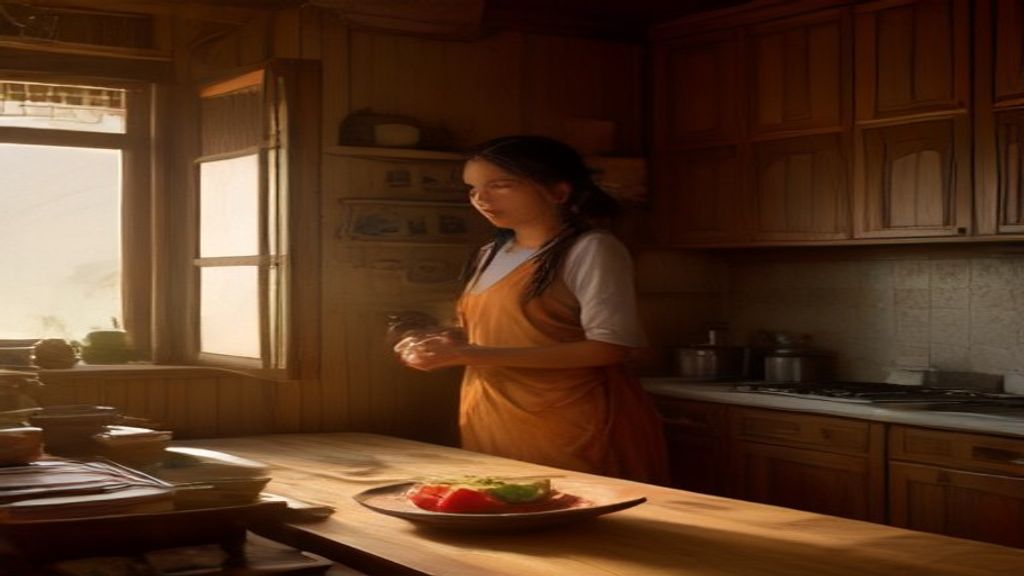
In the vibrant tapestry of Indian culture, everyday actions often carry profound symbolic weight, shaping how we interact with the world and each other. You might have noticed a curious practice in many Indian households: when someone needs to pass a sharp object like a knife or scissors, they don't hand it directly to you. Instead, they gently place it down, allowing you to pick it up.
The Blade's Silent Language: Averting Discord
This isn't merely a matter of safety, though that’s certainly a practical benefit. Deeply rooted in Indian superstition and folklore, this ritual stems from a belief that a direct exchange of sharp objects can "cut" or "sever" the bond between the giver and the receiver. It's believed to invite arguments, discord, or even bad luck into the relationship, metaphorically snipping the threads of harmony.
The reasoning behind this age-old custom is fascinating. Sharp objects, while indispensable for daily tasks, inherently possess a dual nature: they create, but they can also destroy. In a culture that places immense value on strong interpersonal relationships and the preservation of familial peace, any act perceived as potentially disrupting this harmony is carefully avoided. Handing a blade directly is seen as a direct transmission of its 'cutting' energy, which could symbolically translate to a rift between individuals.
The Ritual of Respect and Harmony
To circumvent this perceived negative transference, the object is placed on a surface—a table, a counter, or even the floor—effectively breaking the direct line of energy exchange. This subtle pause allows the receiver to pick up the item without the symbolic implication of a 'severed' connection. It’s a silent acknowledgement of respect, an unspoken prayer for continued goodwill, and a testament to the belief that even the smallest gestures can influence our fortunes.
This custom extends beyond just knives. It often applies to scissors, needles, or any item with a sharp edge or point. It highlights how deeply ingrained these beliefs are, guiding daily interactions and fostering a sense of mindful living. So, the next time you witness this silent exchange, remember it's more than just an act of courtesy; it's a whisper from ancient wisdom, a small shield against discord, woven into the very fabric of Indian tradition.