The Sole Protector: Unraveling India's Hanging Shoe Charm
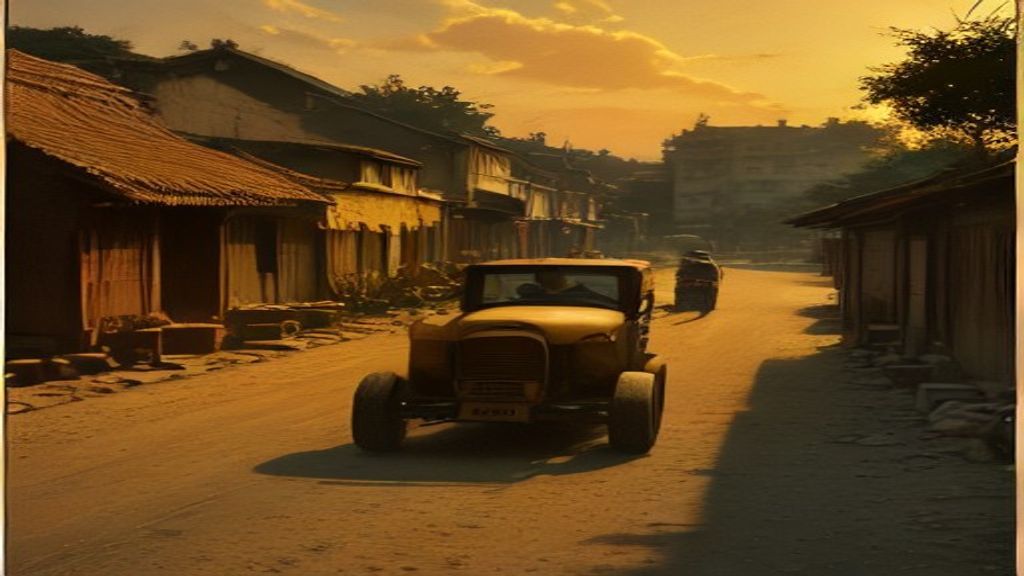


Venture through the bustling streets of India, and amidst the kaleidoscope of colors and sounds, you might spot an unusual sight: an old, worn-out shoe, perhaps a discarded slipper or sandal, dangling conspicuously from the bumper of a gleaming new vehicle, the entrance of a freshly painted home, or even a thriving storefront. This isn't accidental litter; it's a deliberate act, deeply rooted in a fascinating Indian superstition known as the 'Chappal ka Totka' – the hanging shoe charm.
The Dreaded Buri Nazar: Envy's Venom
At the heart of this practice lies the pervasive belief in the 'Buri Nazar,' or the Evil Eye. It's the conviction that intense envy, admiration, or ill-will from others can bring misfortune, bad luck, or even sickness upon a person, their possessions, or their ventures. A brand new car, a flourishing business, a beautiful home – anything that attracts too much positive attention can also, ironically, attract the evil eye.
Why an Old Shoe? The Logic of Ugliness
The choice of an old, worn-out shoe is critical and intentional. The logic is wonderfully simple yet profound: if something is deemed 'unattractive' or 'ugly,' it diverts the evil eye's attention. Instead of focusing its malevolent energy on the beautiful new object (be it a car or a house), the eye is drawn to the unappealing shoe. It acts as a sacrificial decoy, absorbing the negative vibrations and protecting the true object of envy.
- Deflection: The shoe's worn appearance immediately catches the eye, drawing away the initial, potent gaze of envy.
- Humility: It's also a subtle reminder of humility. Even with new wealth or success, one remains grounded, acknowledging that perfection invites envy.
- Discarded Energy: Some beliefs suggest that old, discarded items carry a certain 'dead' energy that can neutralize active negative forces.
A Guardian of Prosperity and Peace
From the humblest village hut to modern city dwellings, the hanging shoe charm persists, a testament to its enduring cultural significance. It's a silent guardian, a humble sentinel against unseen threats, invoked to ensure prosperity, maintain good fortune, and preserve peace within the household or business. So next time you see that solitary, weathered slipper swaying in the breeze, remember it's not just an old shoe; it's a potent piece of India's mystical protective folklore, diligently doing its job against the ancient power of the evil eye.