The Clatter of Anticipation: Decoding the Dropped Thali Omen
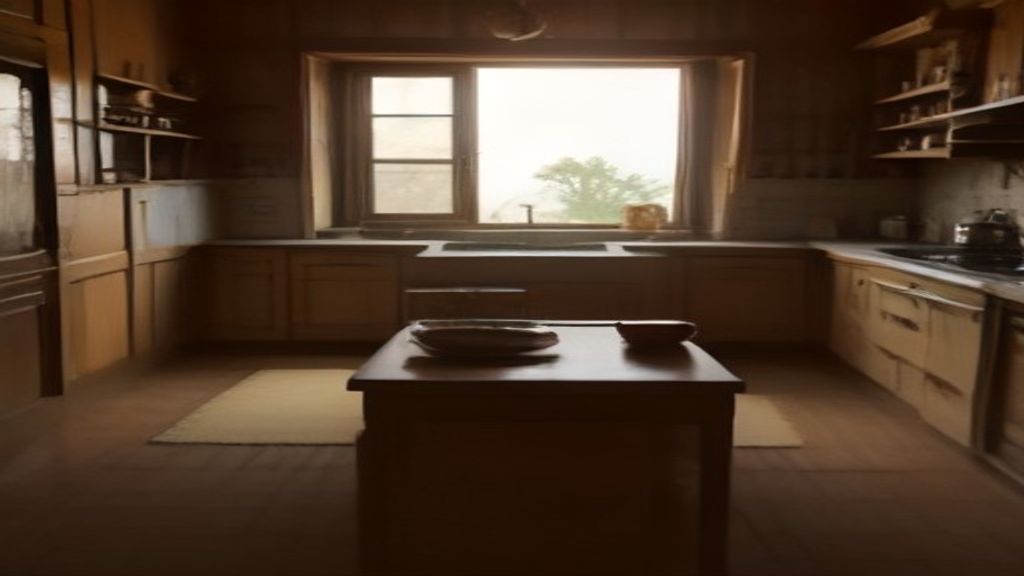


The Unforeseen Clang: More Than Just a Spill
The everyday hustle of an Indian household, the aroma of spices wafting from the kitchen, the gentle clatter of utensils – these are the sounds of life. But imagine a sudden, sharp clang that cuts through the routine: a metal thali, the traditional Indian meal plate, has slipped from someone’s grasp, hitting the floor with an unmistakable echo. What might seem like a mere accident is often interpreted through the mystical lens of Indian folklore as an omen, a subtle hint from the universe about what’s to come.
A Guest's Arrival, Heralded by Metal
One of the most widely held beliefs surrounding a dropped thali is its connection to impending visitors. It’s said that the sudden fall of a thali, particularly if it clatters towards the main entrance of the house, signifies the imminent arrival of an unexpected guest. The metallic sound is almost like a cosmic doorbell, announcing a loved one or even a stranger who will soon grace your doorstep. This belief stems from India's deep-rooted tradition of hospitality, where guests are revered and treated as embodiments of God (Atithi Devo Bhava).
Omens of News and Fortune
Beyond guests, the dropped thali carries other interpretations. Some believe it foretells news – whether good or bad – with the intensity and manner of the fall dictating the nature of the tidings. A gentle slide might suggest minor news, while a loud, echoing crash could indicate a more significant event, potentially even an argument or disruption within the family. Conversely, some regions view a dropped thali, especially if it breaks (though less common for sturdy metal thalis, this applies more to earthenware plates), as a sign of breaking free from old troubles or ushering in a period of good fortune and new beginnings.
Cultural Roots: Food, Fate, and Fellowship
The thali itself holds immense cultural significance. It’s not just a plate; it’s a vessel that brings families together, nourishing body and soul. Its accidental fall, therefore, is rarely seen as insignificant. It taps into our ancient human tendency to find patterns and meaning in everyday occurrences, transforming a simple kitchen mishap into a moment of spiritual reflection. These superstitions, passed down through generations, serve not just as predictions but also as cultural threads, weaving stories and connecting us to our past, reminding us to be attentive to the subtle whispers of fate in our daily lives.