The Shattered Reflection: Decoding India's Broken Mirror Omens
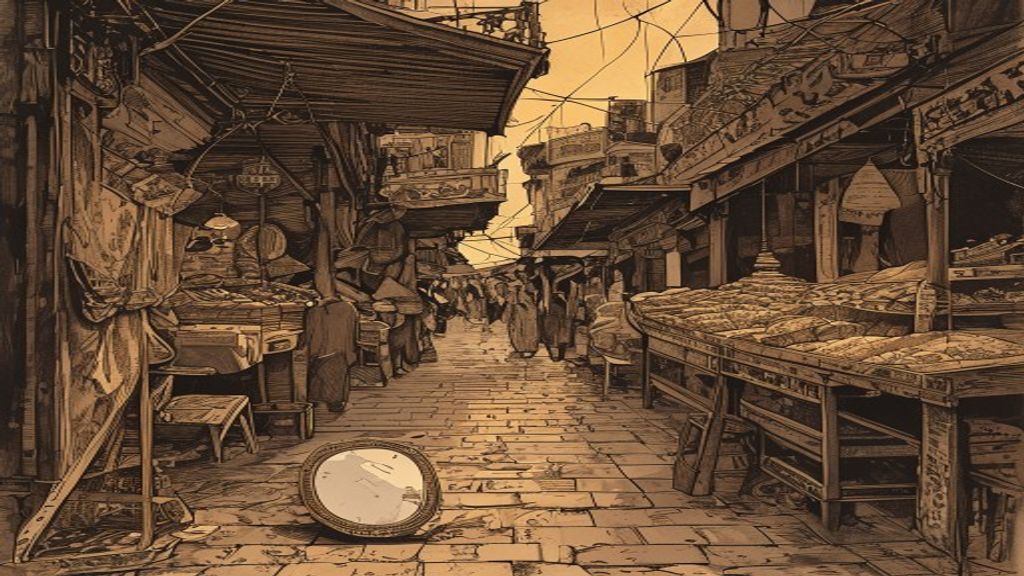


The sudden, jarring sound of glass shattering can send a shiver down anyone's spine. In homes across India, this everyday occurrence transcends mere accident, morphing into a potent omen, a ‘tona totka’ whispered through generations. While globally linked to seven years of bad luck, the Indian interpretation of a broken mirror or glass runs deeper, weaving a complex tapestry of belief, protection, and warning.
The Omen of the Shards
In many Indian households, a broken mirror isn't just an object to be replaced; it's a sign that demands attention. Here are some prevalent beliefs:
- Absorbing Negativity: A widely held belief is that the mirror, having absorbed negative energies or ill intentions directed towards the household, breaks to protect its inhabitants. The shattering is seen as the mirror sacrificing itself, taking the bad luck with its fragments.
- A Warning of Change: For others, it's a potent warning of impending change, often unpleasant. This could range from financial setbacks to familial discord or even a health issue. The fractured image reflects a fractured future, urging vigilance.
- Breaking the Cycle: Paradoxically, some believe that if a mirror breaks, it signifies the end of a long-standing streak of bad luck. The shattering represents a forceful break from past misfortunes, clearing the path for new beginnings.
- An Evil Eye Manifestation: If a mirror breaks inexplicably, especially in a home where there has been recent success or happiness, it's often attributed to the 'Buri Nazar' or evil eye. The mirror is thought to have intercepted the jealous gaze, cracking under its malevolent energy.
Cultural Resonance and Remedial Actions
Regardless of the specific interpretation, the immediate action in India is crucial: the shattered pieces are carefully collected, often without touching them directly, and disposed of respectfully, usually wrapped in a cloth, to prevent any residual negative energy from lingering. Sometimes, a small prayer is offered, or a new mirror is brought in with a small ceremony, perhaps placing it on an auspicious day or with a diya lit nearby.
The superstition surrounding broken glass or mirrors underscores a fundamental aspect of Indian folklore: the constant interplay between the visible and invisible worlds. It reminds us that even ordinary objects can hold extraordinary power, serving as conduits for fate, warnings from the universe, or silent protectors against unseen threats. So, the next time you hear that sharp, unsettling sound, remember the whispers it might carry from the heart of Indian tradition.