The Whispering Palms: Decoding India's Itchy Money Omens


In the vibrant tapestry of Indian folklore, where every rustle of leaves or flight of a bird holds a deeper meaning, even the slightest bodily sensation can carry a profound message. Among the myriad omens and superstitions, one stands out for its direct connection to our worldly fortunes: the itching palm. This isn't just a physical sensation; it's a whisper from the universe, hinting at impending financial changes.
The Right Hand's Promise: Lakshmi's Arrival
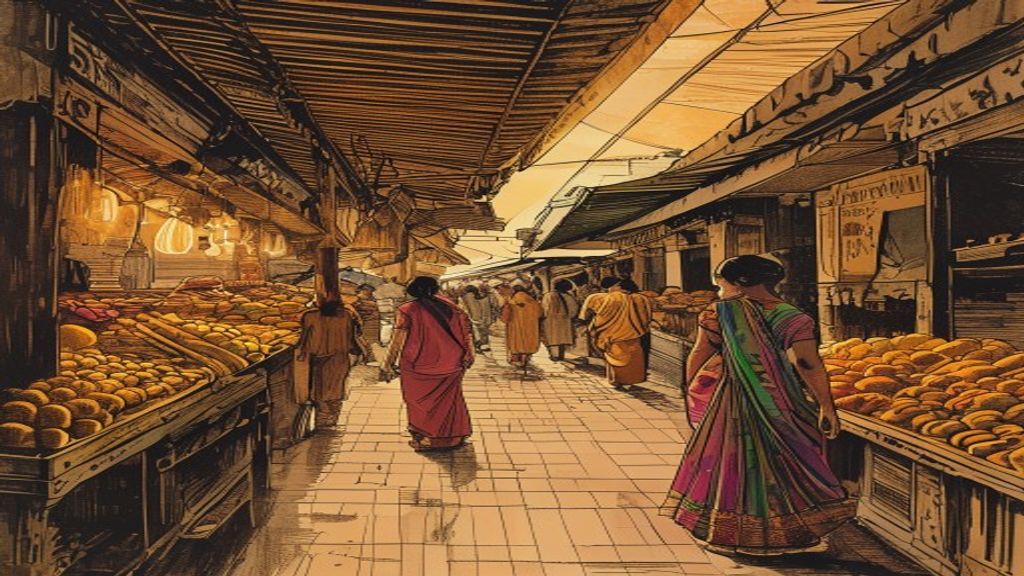
Picture this: you're going about your day, perhaps sipping chai in a bustling market or tending to your garden, when suddenly, your right palm begins to itch. In India, this isn't merely an irritation; it's a cause for quiet celebration. According to ancient beliefs, an itching right palm is a definitive sign that money is on its way. It heralds the arrival of wealth, prosperity, and good fortune, often associated with the blessings of Goddess Lakshmi, the deity of abundance.
Many believe that this itch is the universe preparing your hand to receive. It signifies new opportunities, unexpected gains, or the successful outcome of a venture. People often hold a moment of quiet anticipation, perhaps even gently rubbing the palm with a hopeful smile, eager for the financial blessings to manifest.
The Left Hand's Warning: A Gentle Departure
But what if it's your left palm that begins to tingle? Ah, here the omen shifts. An itching left palm is traditionally believed to signify money *leaving* your hands. It's a subtle warning of impending expenses, losses, or perhaps even donations. While not necessarily a catastrophic omen, it encourages a sense of caution and preparedness.
To counteract this potential outflow, some people gently rub their left palm against a wooden surface, or even simply rub it with the right hand, symbolically "scratching away" the bad luck and preventing the money from flowing out unnecessarily. It's a small, almost unconscious ritual, born from centuries of belief in the power of intention and symbolic action.
Roots in Tradition and Belief
This widespread superstition, like many others in India, is deeply embedded in the cultural psyche. It speaks to a fundamental human desire for stability and prosperity, and the ancient practice of seeking signs and portents in everyday occurrences. While modern science offers dermatological explanations for an itchy palm, the cultural belief persists, adding a touch of mystical intrigue to a simple sensation. It reminds us that in India, even our own bodies are seen as canvases for cosmic messages, reflecting the ebb and flow of fate and fortune.